
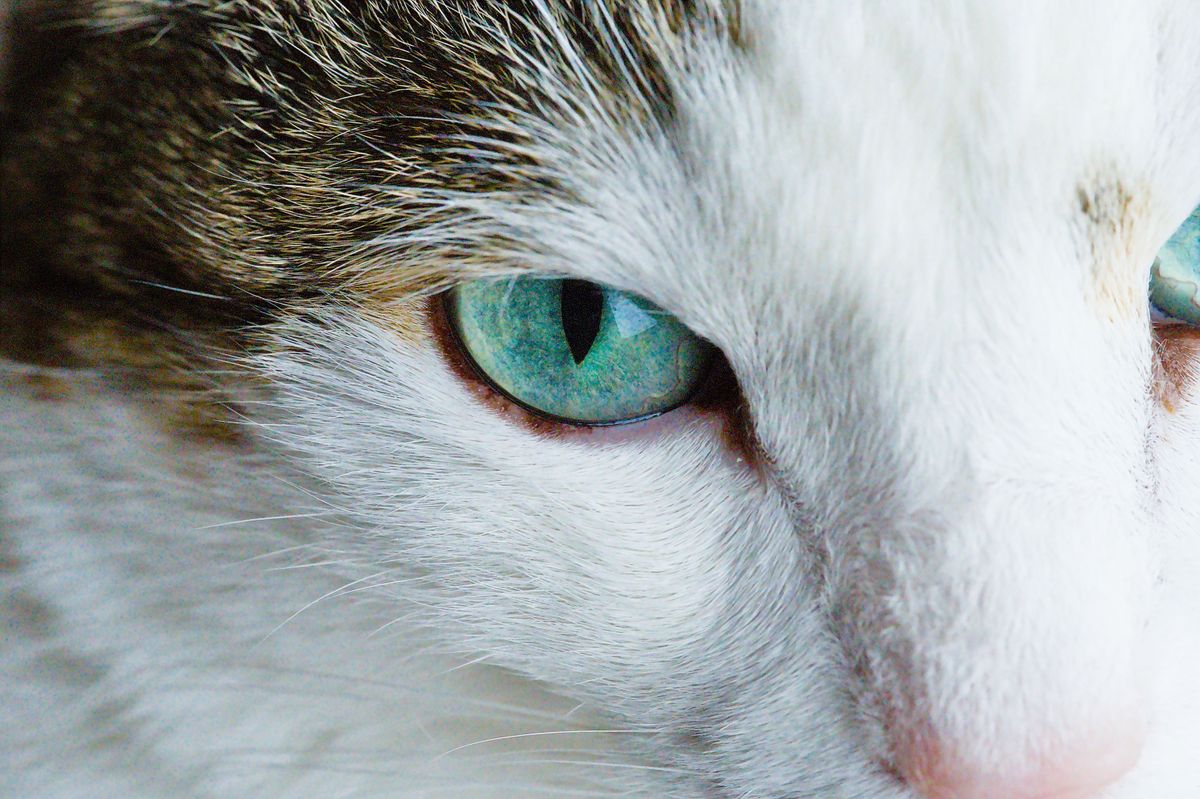
Key takeaway: A feline eye ulcer is often caused by Feline Herpesvirus (FHV-1), a lifelong virus that inflames the eye and damages the clear surface called the cornea. If your cat is squinting, tearing, or holding one eye closed, treat it as urgent and see your veterinarian, because untreated ulcers can worsen quickly. Antibacterial eye drops only manage secondary bacterial infection, so the virus itself needs a veterinarian-guided antiviral plan.
You are not the first Pawrent to panic at a suddenly cloudy or weepy eye. Corneal ulcers look frightening, and they can be painful for your cat. The good news is that there is a clear path forward, and it starts with the right diagnosis.
This guide explains how Feline Herpesvirus (FHV-1) damages the eye, what signs to watch for, and the practical steps you can take at home and with your veterinarian.
What is a feline eye ulcer and how does Feline Herpesvirus (FHV-1) cause it?
A feline eye ulcer is a break or erosion in the cornea, the clear dome at the front of the eye. Feline Herpesvirus (FHV-1) is one of the most common causes because the virus directly attacks the corneal cells and the surrounding tissue.
When FHV-1 flares up, it inflames the eye surface and can strip away the protective outer layer. This leaves a raw spot, which is the ulcer. Bacteria can then move into that raw spot, which is why some cats develop a secondary infection on top of the viral damage.
Feline Herpesvirus (FHV-1) is also called feline viral rhinotracheitis, or simply "cat flu". It is a lifelong infection. Once a cat carries FHV-1, care focuses on reducing and managing flare-ups, not on removing the virus.
What are the symptoms of a cat eye ulcer from Feline Herpesvirus (FHV-1)?
The most common signs of a cat eye ulcer from Feline Herpesvirus (FHV-1) are squinting, watery discharge, and a cat that keeps one eye closed. Many cats also paw at the eye or become more withdrawn because they are uncomfortable.
Watch for these feline herpesvirus symptoms in cats:
- Squinting or holding one eye partly or fully shut
- Excess tearing or thick eye discharge
- Redness and swelling around the eye
- A cloudy or hazy patch on the surface of the eye
- Pawing at the face or rubbing the eye on furniture
- Sneezing, nasal discharge, and congestion alongside the eye signs
- Sometimes mouth ulcers during a bad flare
FHV-1 flare-ups often appear during stressful periods, such as moving house, a new pet, boarding, or illness. Stress is a well known trigger for this virus.
If you see a cloudy patch or your cat is clearly in pain, do not wait. A corneal ulcer can deepen fast.
Why do antibacterial eye drops for cats not fix the virus?
Antibacterial eye drops for cats treat the bacteria that invade a damaged eye, but they do not treat Feline Herpesvirus (FHV-1) itself. The virus is the root cause, and antibiotics have no effect on a virus.
Think of it in two parts. The ulcer is the wound, and FHV-1 is the reason the wound keeps happening. Antibacterial drops help keep a secondary bacterial infection under control while the eye heals, but they do nothing to calm the underlying viral flare.
This is why your veterinarian looks at the whole picture. Managing the virus, protecting the cornea, and preventing bacterial complications are separate jobs that often need to happen together.
Virus versus secondary infection: who does what
| Part of the problem | What it is | What it needs |
|---|---|---|
| Feline Herpesvirus (FHV-1) | The lifelong virus that inflames and damages the eye | Veterinarian-guided antiviral care and flare-up management |
| Corneal ulcer | The raw wound on the eye surface | Veterinary eye care to protect and heal the cornea |
| Secondary bacterial infection | Bacteria settling into the wound | Antibacterial eye drops for cats, prescribed by your vet |
Never choose eye medications on your own. Some human or leftover drops can make a corneal ulcer much worse, especially certain steroid drops, which can be dangerous with an ulcer present.
What is the antiviral option for Feline Herpesvirus (FHV-1) in cats?
The veterinarian-prescribed antiviral option for Feline Herpesvirus (FHV-1) is HerpX, which contains famciclovir. It is used to help manage FHV-1 flare-ups under veterinary guidance, alongside eye care for the cornea.
HerpX is available in Malaysia as the famciclovir option for cats with FHV-1. Because every cat is different, the right plan, timing, and duration are decisions your veterinarian makes based on your cat's weight, age, and how severe the flare is.
We will not print a dose here on purpose. Dosing famciclovir safely depends on your individual cat, so route all dosing and treatment decisions to your veterinarian. HerpX is designed to sit inside that veterinary plan, not to replace it.
Remember that antiviral care manages flare-ups. It does not eliminate FHV-1, because this virus stays in the body for life. The goal is fewer flares, shorter flares, and a more comfortable cat.
What should you do at home if your cat has an eye ulcer?
If your cat has a suspected eye ulcer, the safest first step is to book a veterinary visit the same day and avoid putting any old or human eye products in the eye. Gentle supportive care at home helps, but the eye needs a professional diagnosis.
Here is a practical sequence to follow:
- Look, but do not force the eye open. If your cat is squinting hard, that is a sign of pain.
- Gently wipe away discharge with a clean, damp cotton pad, wiping away from the eye.
- Stop your cat from rubbing or pawing. A soft recovery collar from your vet can prevent extra damage.
- Reduce stress at home, since stress is a major FHV-1 trigger. Keep routines calm and quiet.
- Do not apply leftover drops, human medicine, or steroid drops without veterinary direction.
- See your veterinarian promptly for a proper exam, including a stain test that can reveal an ulcer.
Your veterinarian may use a fluorescein stain to confirm the ulcer and check its depth. That test guides everything that follows.
How can you reduce Feline Herpesvirus (FHV-1) flare-ups over time?
You reduce Feline Herpesvirus (FHV-1) flare-ups by lowering stress, keeping your cat's general health strong, and acting early at the first sign of eye trouble. Since FHV-1 is lifelong, steady daily management matters more than any single quick fix.
Practical ways many families lower flare frequency:
- Keep a calm, predictable home routine, especially around big changes
- Reduce crowding and give a nervous cat space and hiding spots
- Keep bedding, bowls, and litter areas clean
- Support overall health with good nutrition and hydration
- Catch flares early and contact your vet before the eye gets worse
- Follow your veterinarian's plan fully, even after signs improve
Multi-cat homes need extra care, because FHV-1 spreads through shared sneezes, discharge, and surfaces. Separating a flaring cat, washing your hands, and cleaning shared items can protect the others.
When is a cat eye ulcer an emergency?
A cat eye ulcer becomes an emergency when the eye looks worse quickly, when there is a deep or spreading cloudy area, or when your cat is in obvious pain and will not open the eye. Any bulging of the eye, a sudden increase in discharge, or a visible dent in the eye surface means you should seek veterinary care immediately.
Deep ulcers can threaten the eye itself if they are not treated in time. Fast action protects your cat's vision and comfort.
When in doubt, treat it as urgent. It is always safer to have your veterinarian check an eye that turns out to be minor than to wait on one that is serious.
FAQ
Is a feline eye ulcer from Feline Herpesvirus (FHV-1) curable?
Feline Herpesvirus (FHV-1) is a lifelong virus, so it is not eliminated from the body. The eye ulcer itself can heal with proper veterinary care, and future flare-ups can be managed to keep your cat comfortable.
Can I use antibacterial eye drops for cats to treat the virus?
No. Antibacterial eye drops for cats only address secondary bacterial infection in the wound, not the Feline Herpesvirus (FHV-1) causing it. Your veterinarian decides whether antibacterial drops, antiviral care, or both are needed for your cat.
What antiviral is used for Feline Herpesvirus (FHV-1) in Malaysia?
HerpX, which contains famciclovir, is the veterinarian-prescribed antiviral option for Feline Herpesvirus (FHV-1) and is available in Malaysia. The correct plan and dosing are set by your veterinarian based on your individual cat.
Why does my cat keep getting eye flare-ups?
Because Feline Herpesvirus (FHV-1) stays in the body for life, flare-ups can return, especially during stress or illness. Reducing stress, keeping routines steady, and treating early can help make flares less frequent and less severe.
Can FHV-1 spread to my other cats?
Yes. Feline Herpesvirus (FHV-1) spreads through sneezes, eye and nasal discharge, and shared items like bowls and bedding. Isolating a flaring cat, washing your hands, and cleaning shared surfaces help protect your other cats.
Your cat's comfort comes first, and you do not have to navigate this alone. If you would like to understand the treatment options and next steps, our team is here to help you and to support the plan your veterinarian recommends. You can learn more about caring for your cat with the BasmiFIP team and then talk it through with your own vet.